The Brain and the Skin Are Inseparable
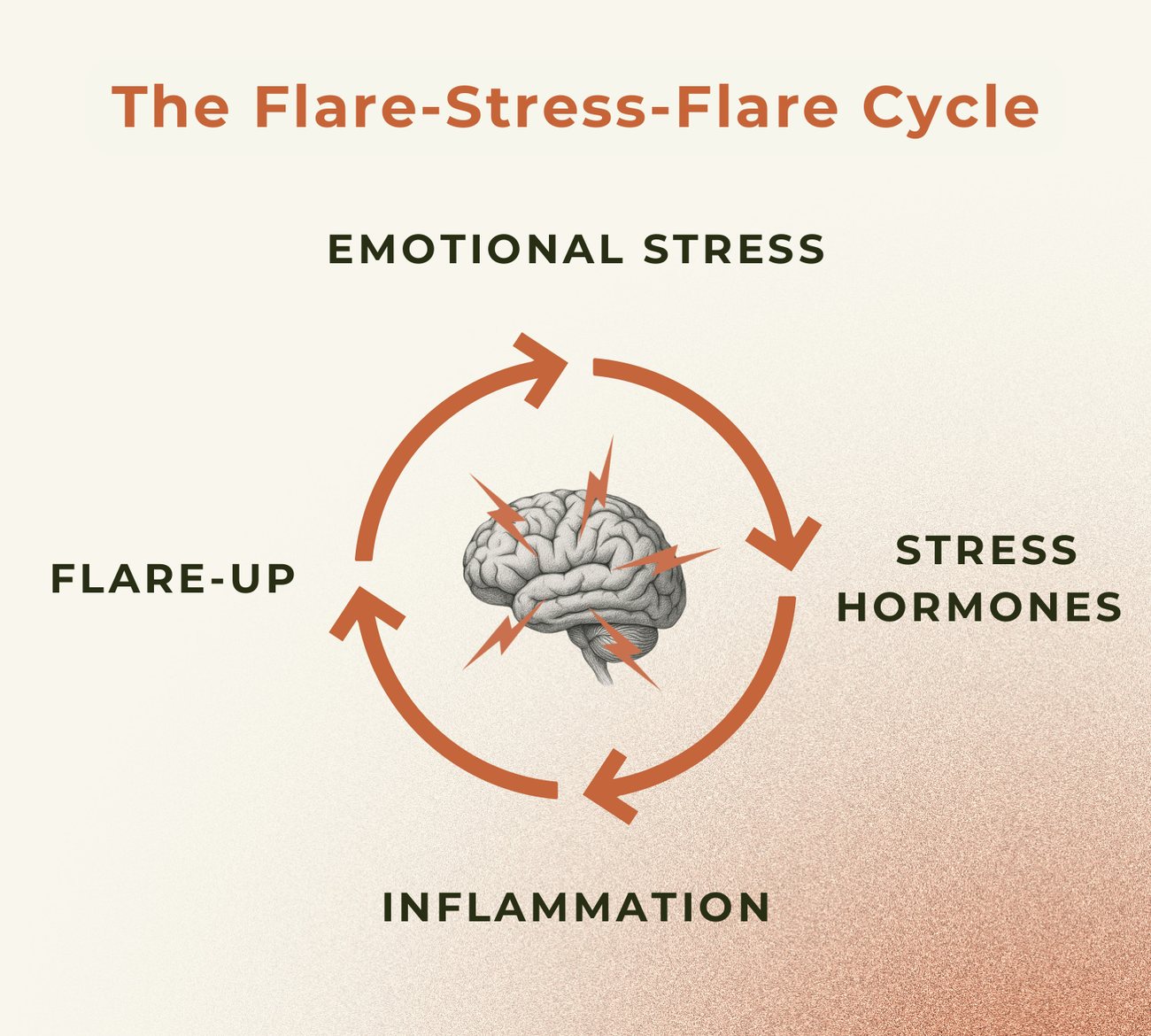
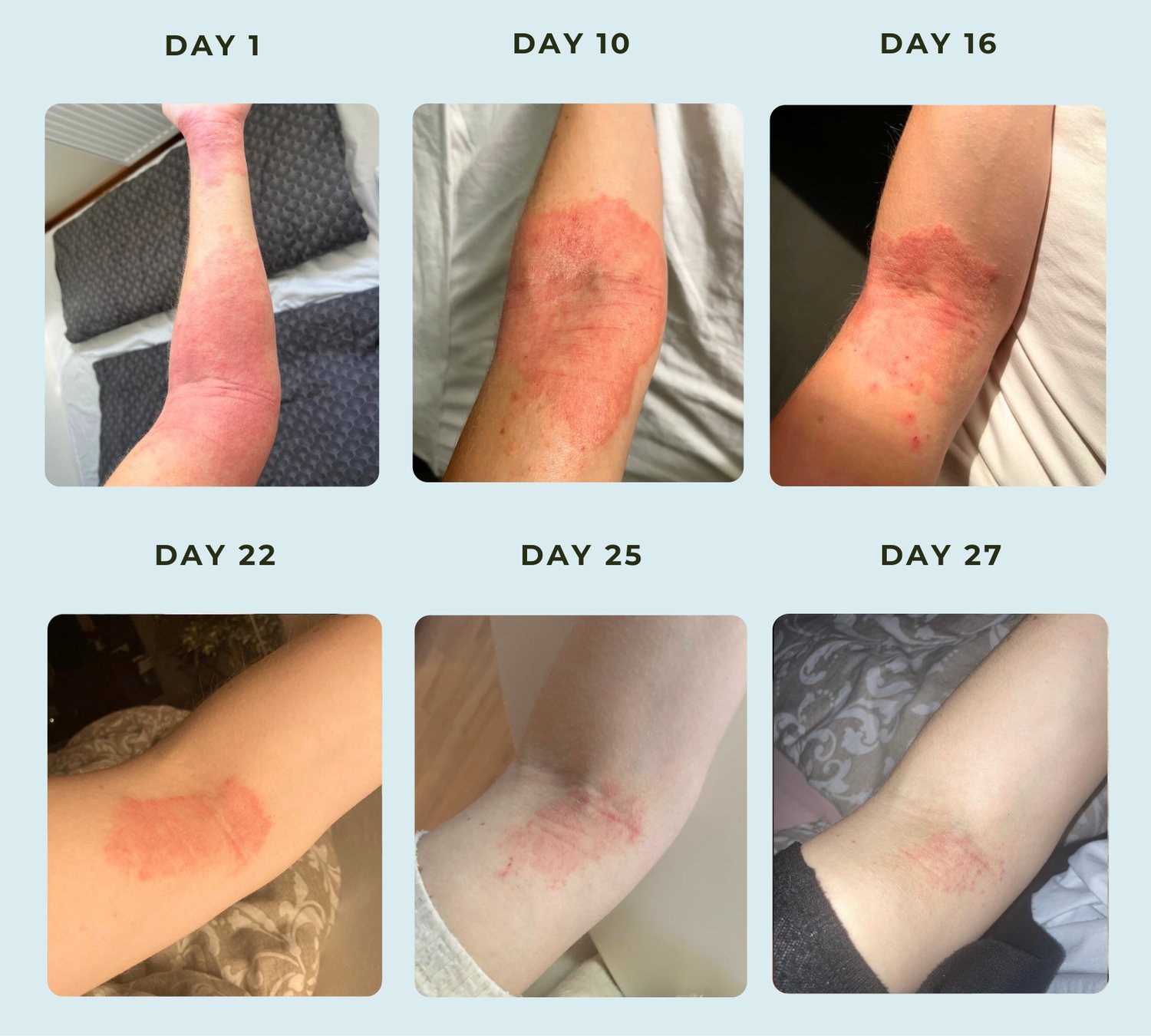
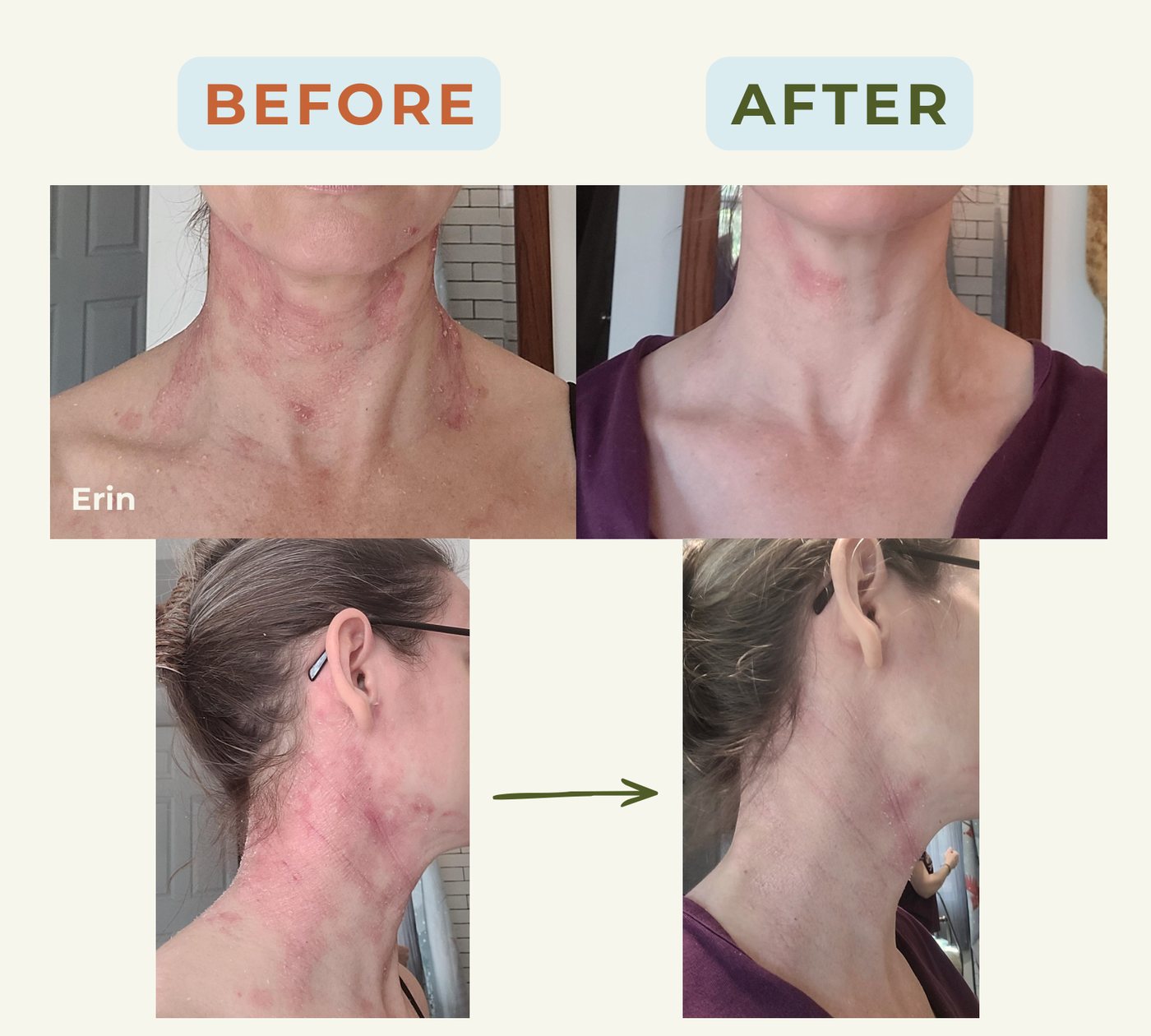
If you take only one thing from this guide, let it be this: whatever happens in your brain shows up on your skin. When the brain sends a message, the skin reflects it. That’s why your skin turns red when you’re embarrassed, goes pale when you’re scared, and breaks out when you’re under pressure. It isn’t random — it’s a clue.
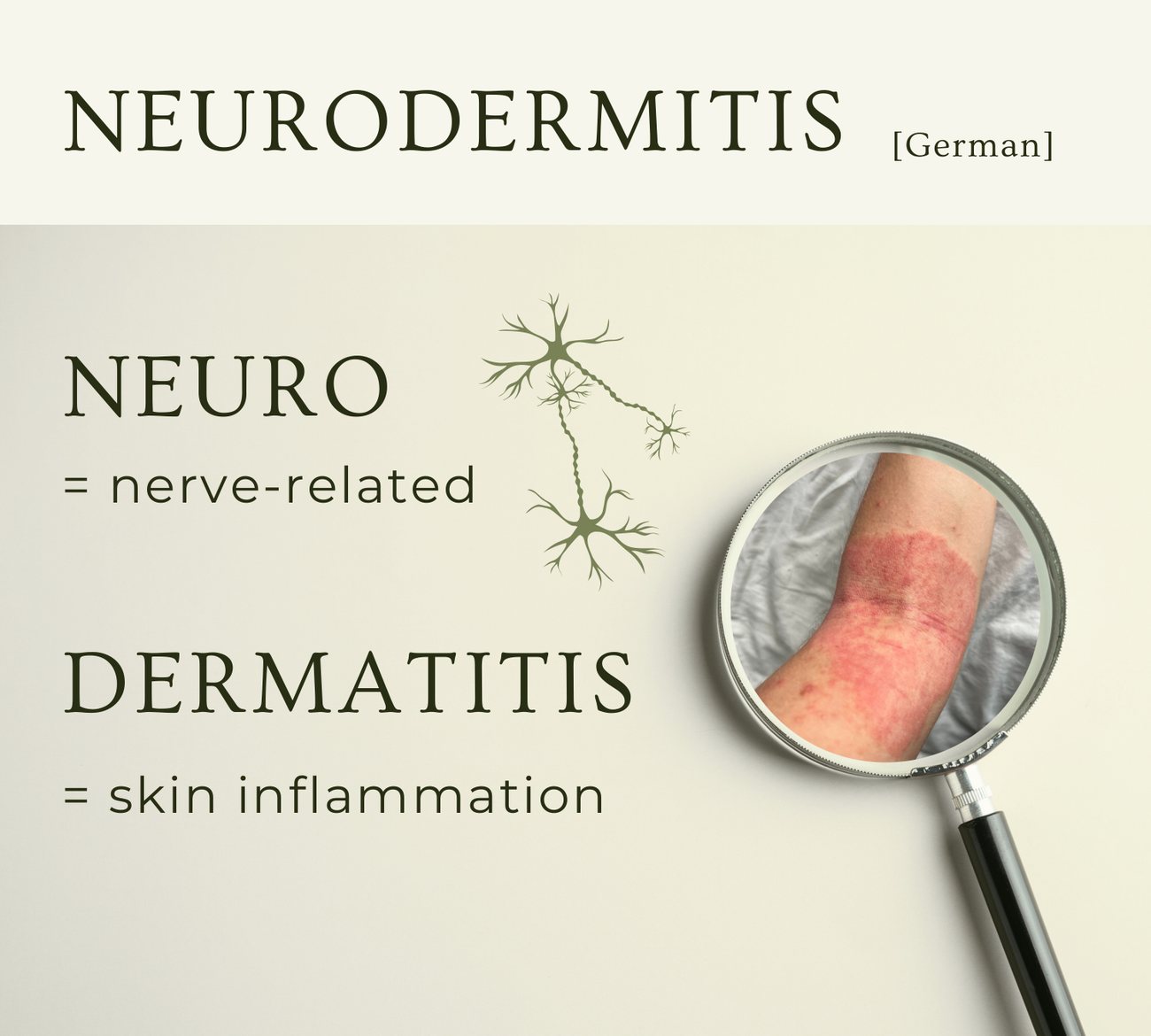
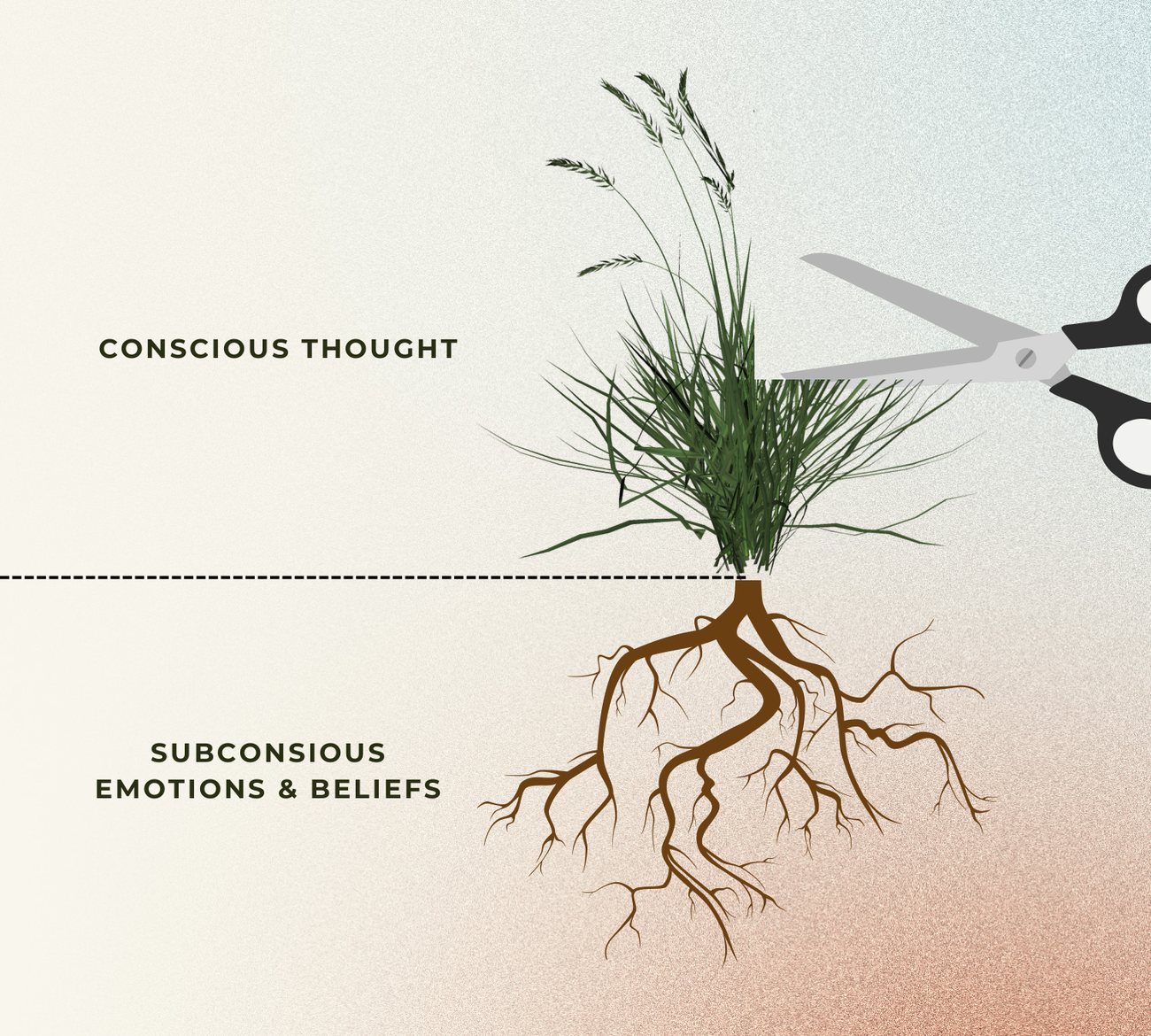
In German, eczema is literally called Neurodermitis — “nerve-related skin inflammation.” The word itself holds the answer most treatments overlook: eczema doesn’t start on the surface. It starts in the nervous system.
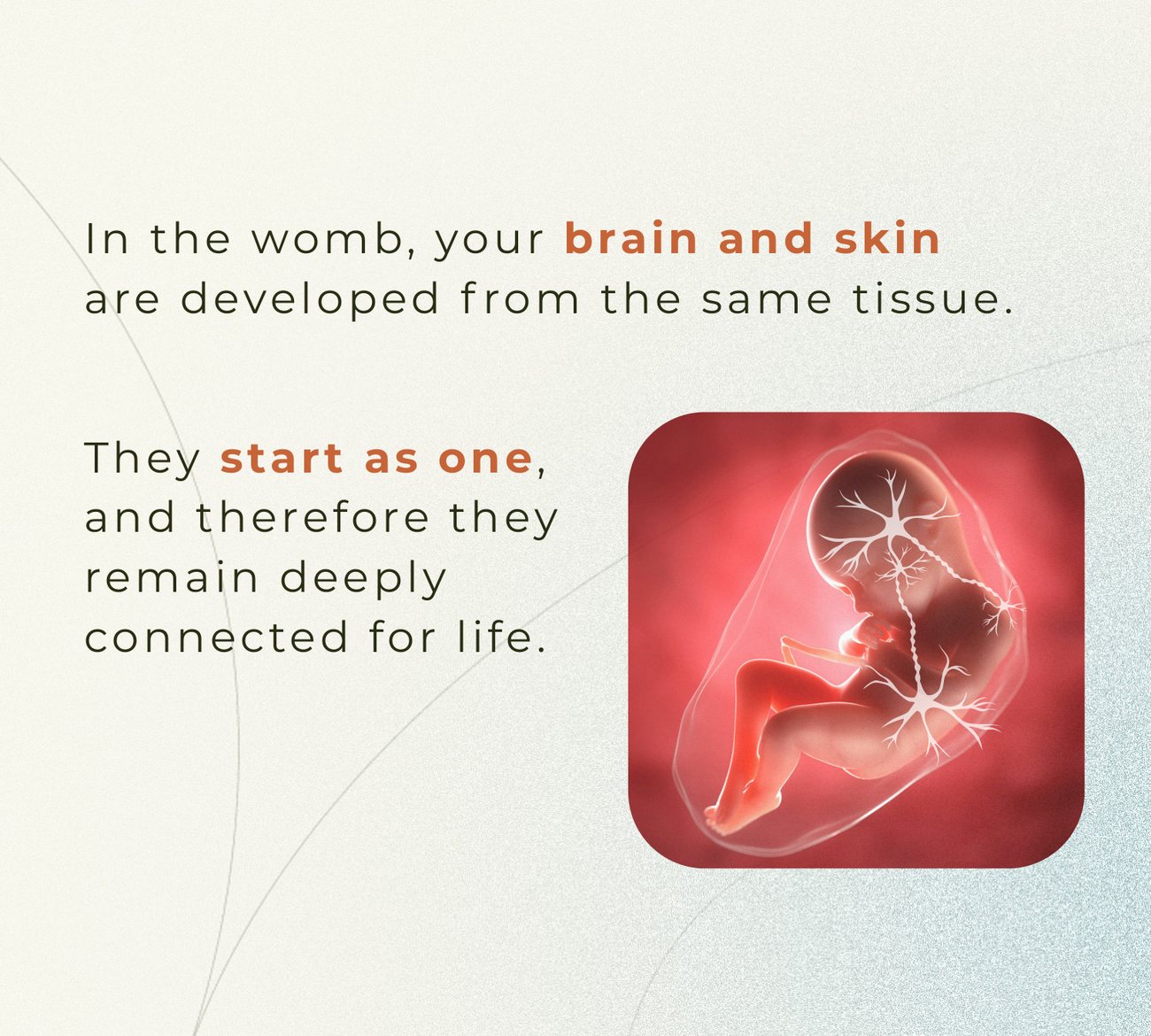
And here’s the biology behind it. In the womb, your brain and your skin form from the same layer of cells — the ectoderm. One part folds inward to become your brain and nervous system; the other spreads outward to become your skin. They begin as one, so they stay deeply connected for life. That’s why things “get under our skin” — it’s not just a phrase, it’s literal.
“It is nowadays experimentally proven that emotions get into the skin.”
Gieler, Gieler & Kupfer — Skin and Psychosomatics: Psychodermatology today, University Hospital Gießen
“The relationship between the brain and skin appears to be bidirectional… chronic stress is pro-inflammatory in the context of several dermatologic disorders.”
Peer-reviewed research on the brain-skin axis
Because the connection runs both ways, when your skin flares, your brain doesn’t register it as “just cosmetic” — it perceives a threat, and keeps sounding the alarm. So if your eczema ever feels emotionally overwhelming, if you obsess over fixing it, you’re not weak or vain. That’s a normal biological response.